


Bitpie Security Strategies: Wallet Management Tips for Crypto Users
Managing digital assets is a serious business, and I've seen too many people lose funds simply because they treat their crypto wallet like a regular app. As someone who has used Bitpie for years across multiple market cycles, I can tell you that effective management isn't about complex trading strategies—it's about building solid security habits and understanding the tools you already have at your fingertips.
The foundation of everything is your seed phrase and private key. Bitpie gives you full custody,which means you're the only person who can recover your wallet if something goes wrong. I recommend writing your seed phrase on paper—never screenshot it, never store it in cloud notes. Make two copies and keep them in physically separate locations. A fireproof safe at home and a trusted family member's house works well. This single practice protects you against phone loss, theft, or hardware failure.
Asset organization within the wallet matters far more than most people realize. Bitpie supports multiple chains and tokens,and I've found that grouping assets by purpose saves time and reduces mistakes. I keep a main holding address for long-term storageBitpie Security Strategies: Wallet Management Tips for Crypto Users, a separate sub-wallet for DeFi interactions, and a third one for small daily transfers. This segmentation means that even if I accidentally connect to a malicious dApp with my DeFi wallet, my long-term holdings remain completely untouched.
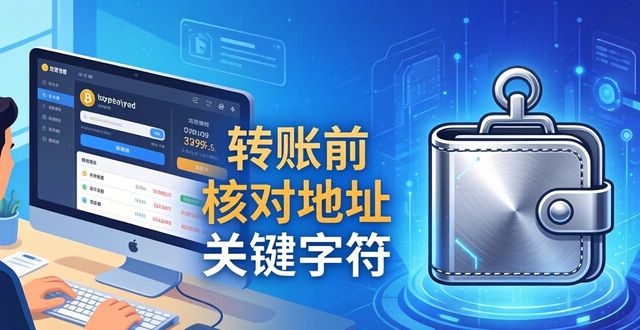
Transaction verification habits develop over time, but you can accelerate this by adopting a mental checklist. Before every transfer, I verify the first five and last five characters of the recipient address against the original source, not what I copied last. I also set appropriate gas fees within Bitpie rather than blindly accepting defaults—rushing transactions with low fees during congestion has left me stuck for hours. Cross-checking token contract addresses when receiving new assets prevents accepting counterfeit tokens.
Backup and recovery testing is the step most people skip entirely. I've set up Bitpie on a secondary device purely as a recovery test. Once a quarter, I restore my wallet there using the seed phrase to confirm everything works and all assets appear correctly. This also verifies that I haven't misplaced or misrecorded any information. The peace of mind from knowing your backup actually works is worth the thirty minutes it takes every few months.
These practices have protected my portfolio through exchange collapses,smart contract exploitsStrategies for Effective Digital Asset Management with Bitpie Wallet, and hardware failures. What security measures do you rely on? Share your approach below—I'm always looking to learn from how others manage their digital assets.